

Ever scratched your head over a concept that sounds like a tongue twister but carries profound meaning? Welcome to the world of Asheshshyaam. Jump into this intriguing term with us as we unravel its layers, exploring everything from its roots to its modern-day relevance. Strap in: this isn’t just another esoteric word. We promise some laughter and a dash of enlightenment along the way.
Asheshshyaam
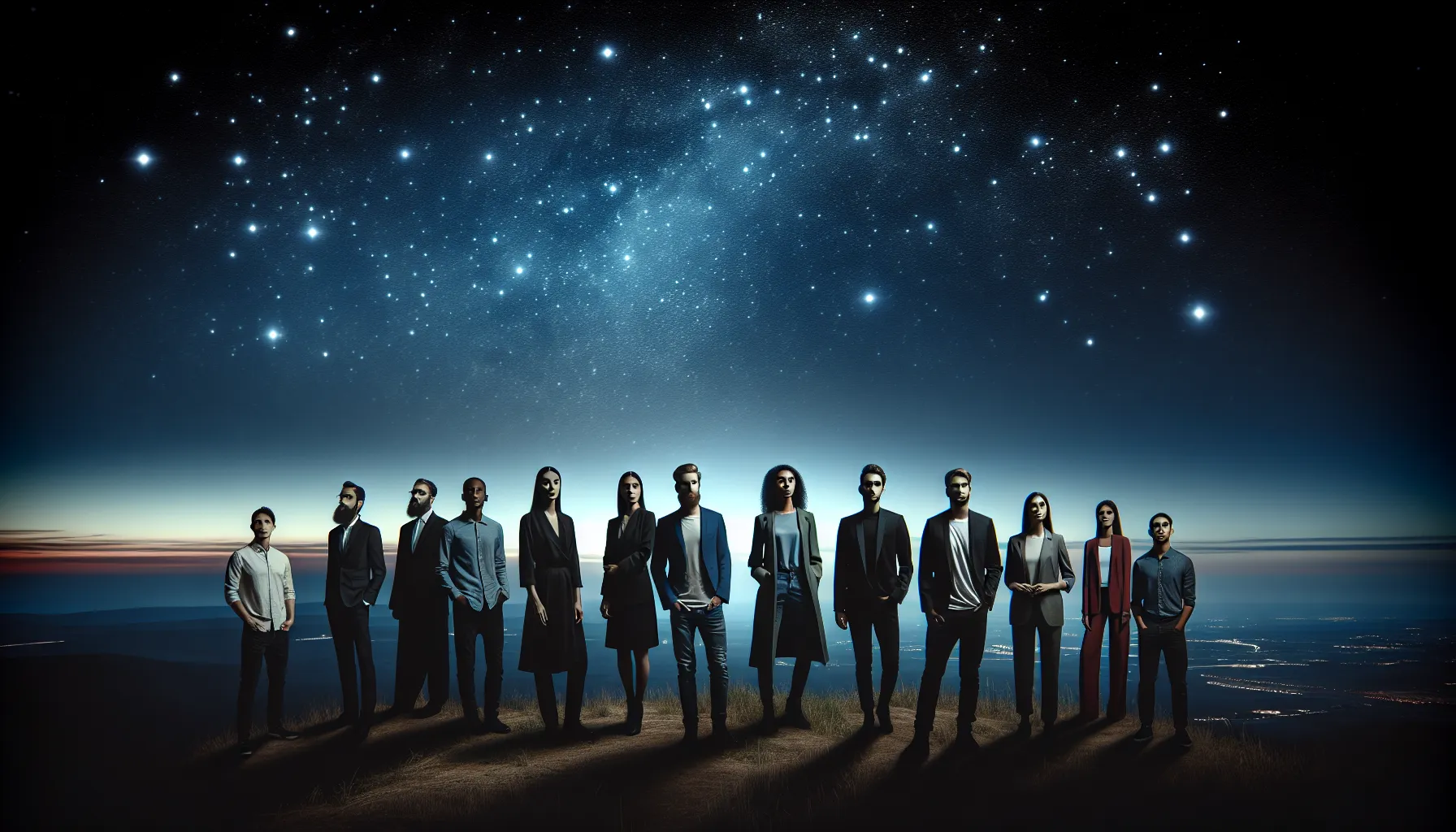
So, what exactly is Asheshshyaam? In its essence, this term refers to something limitless or infinite. It’s that extraordinary feeling when you gaze up at the stars and wonder about the vastness of the universe. Think of Asheshshyaam as the expanded perspective that allows us to embrace the boundless nature of life itself.
This concept flows from ancient philosophies, emphasizing the idea that existence transcends our material world. It’s not just about being endless: it’s about recognizing the immense potential within ourselves and the universe around us. When we discuss Asheshshyaam, we tap into the infinite possibilities life offers us, igniting our curiosity and driving us to explore deeper questions about existence and purpose.
Cultural Context and Historical Background
To truly appreciate Asheshshyaam, we need to rewind the clock and jump into its cultural roots. Originating from ancient philosophical traditions, particularly in Eastern thought, this term has been foundational in shaping various cultural narratives.
For instance, in Hindu philosophy, Asheshshyaam embodies the principle of eternal life, which is echoed in the cyclic nature of existence. Historical texts shed light on how this concept was revered across different communities, imbued with a sense of respect and awe. From ancient scriptures to modern interpretations, the transformative power of recognizing infinity has resonated through the ages, making it a key player in discussions around spirituality and identity.
Philosophical Interpretations of Asheshshyaam
When we jump into the philosophical depths of Asheshshyaam, we find it serves as a lens through which to understand ourselves and the universe. Various philosophers have interpreted this infinite concept to mean that each individual possesses the ability to create their reality.
Imagine everything we pursue, dreams, ambitions, relationships, existing within an endless framework. This perspective shifts how we view our limitations, pushing us to transcend them. As we ponder Asheshshyaam, let’s remember how different philosophies intertwine this concept with discussions on consciousness, existence, and the very fabric of reality. Each interpretation we come across opens new avenues of understanding, allowing us to redefine our narratives.
Applications of Asheshshyaam in Modern Practices

Fast forward to today, Asheshshyaam has taken on many forms in modern practices. Whether in mindfulness, spiritual coaching, or self-help literature, the idea of infinite potential has captivated and inspired many.
Embracing Asheshshyaam invites us to break away from limiting beliefs. In coaching sessions, for instance, we frequently encounter individuals learning to harness their inner strength and approach their lives with a fresh mindset, one that is rooted in possibilities rather than constraints. Even in corporate settings, this concept is making waves, with organizations encouraging a culture of innovation and creativity that reflects a limitless scope of achievement.
Exploring Asheshshyaam in Literature and Art
One of the most beautiful aspects of Asheshshyaam is its influence on literature and art. Writers and artists have long been fascinated by the theme of infinity, exploring it through various mediums. From poetry that showcases nature’s boundless wonders to paintings that capture the vast expanse of human emotion, Asheshshyaam serves as a muse.
Consider famous literary works that investigate into existential themes, painting a picture of human experiences that resonate with our search for meaning. Artists too have translated the concept into visual masterpieces, engaging audiences to reflect on the limitless possibilities that life offers. Through these expressions, we find ourselves drawn into conversations about our own potentials and the beauty of the infinite.