

Have you ever stumbled upon the term ‘pertostrums’ and thought, “What on earth is that?” Well, you’re not alone. In a world teeming with fascinating biological terms, this one can sneak up on you like a ninja in a science lab. But don’t worry, we’re here to unravel the mystery together, and perhaps even crack a smile or two along the way. Let’s jump into the importance and function of pertostrums. Spoiler: it’s not just a fancy word to impress your friends.
What Are Pertostrums?
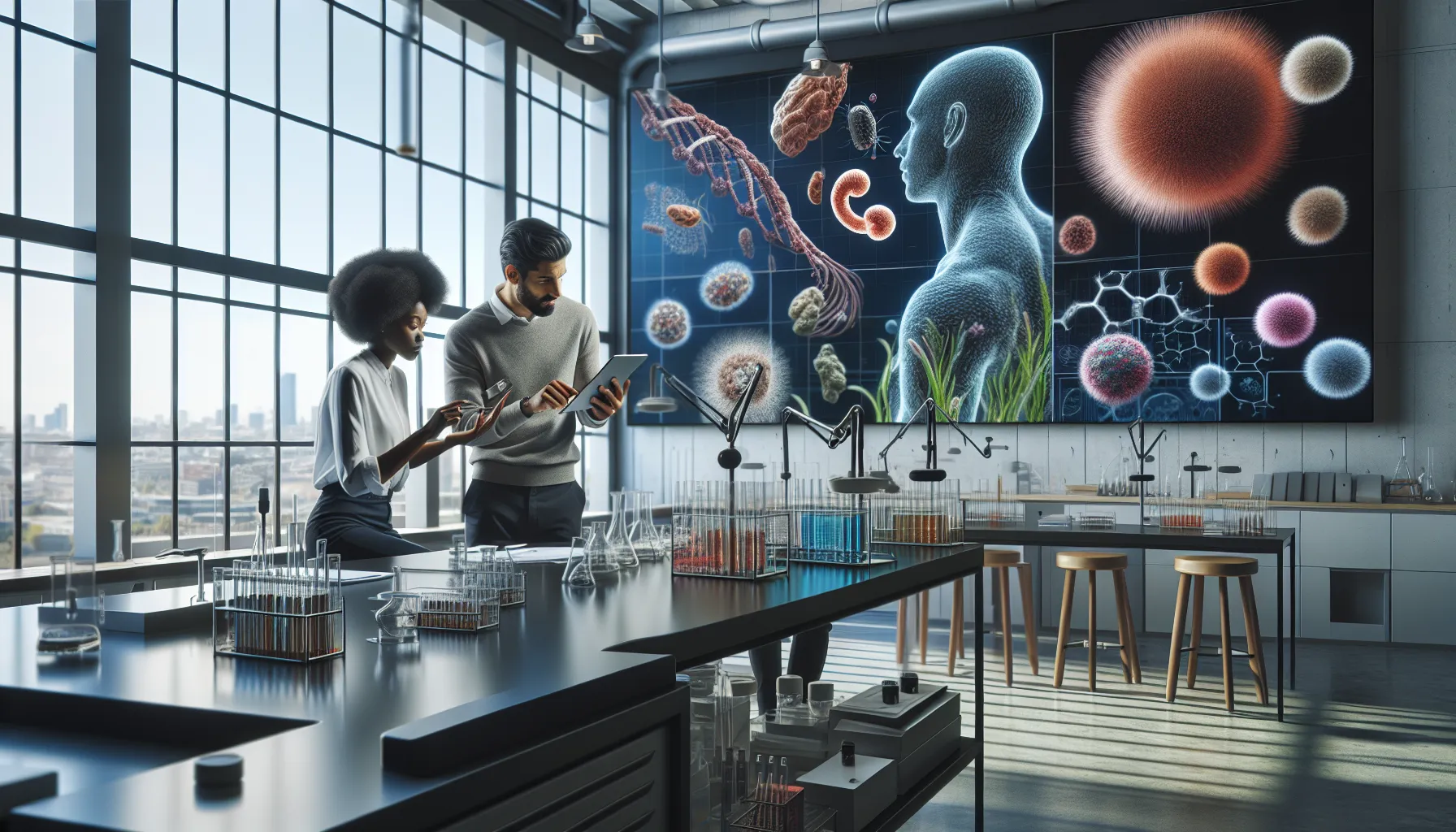
Simply put, pertostrums are specialized structures that play crucial roles in various biological systems. Think of them as the unsung heroes of the cellular world. They can be found in diverse environments, serving essential functions in both plant and animal life. Even though their importance, not everyone is familiar with these intricate organisms, and that’s where we come in. We’ll break down what they are into bite-sized pieces, so you won’t get lost in the scientific jargon.
In layman’s terms, think of pertostrums as the binding agents that help maintain order in biological ecosystems. They can be comparable to the ‘glue’ that holds everything together, without them, the balance of our ecosystems might just go haywire.
The Biological Role of Pertostrums
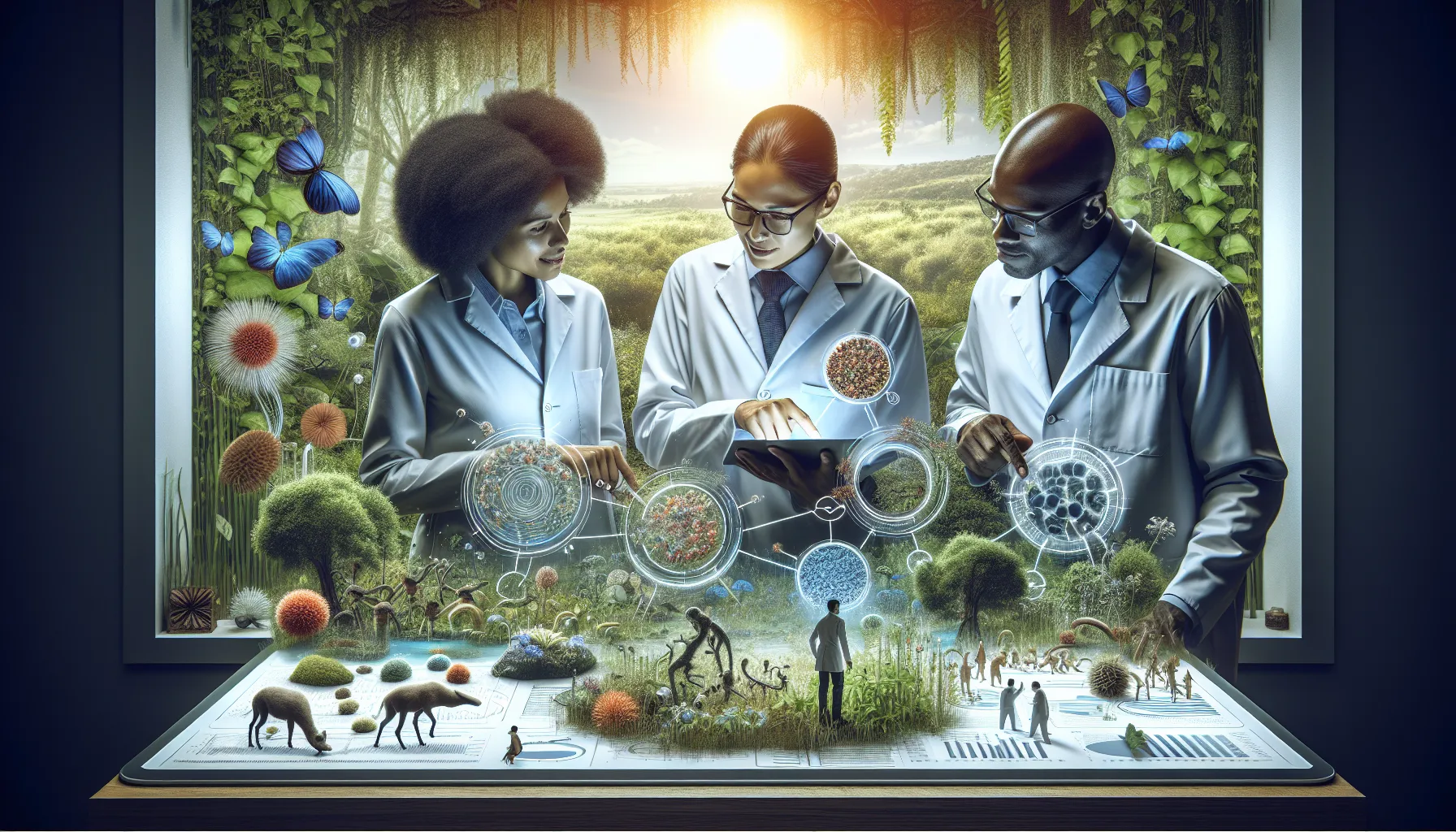
Now that we’ve introduced pertostrums, let’s investigate into their biological significance. These structures are integral to processes like nutrient absorption and energy transfer. In essence, without pertostrums, life as we know it would be dramatically different.
They function in various capacities:
- Nutrient Cycling: Pertostrums help the breakdown and recycling of essential nutrients, making them available for other organisms to use. This process supports the growth and survival of numerous life forms.
- Environmental Stability: Pertostrums help maintain ecological balance by regulating populations and facilitating interactions within ecosystems. Without their stabilizing effect, we might see a chaotic shift in species distributions.
So, in short, these structures are more than just a component of biological systems: they are vital to the health and longevity of ecosystems.
Different Types of Pertostrums
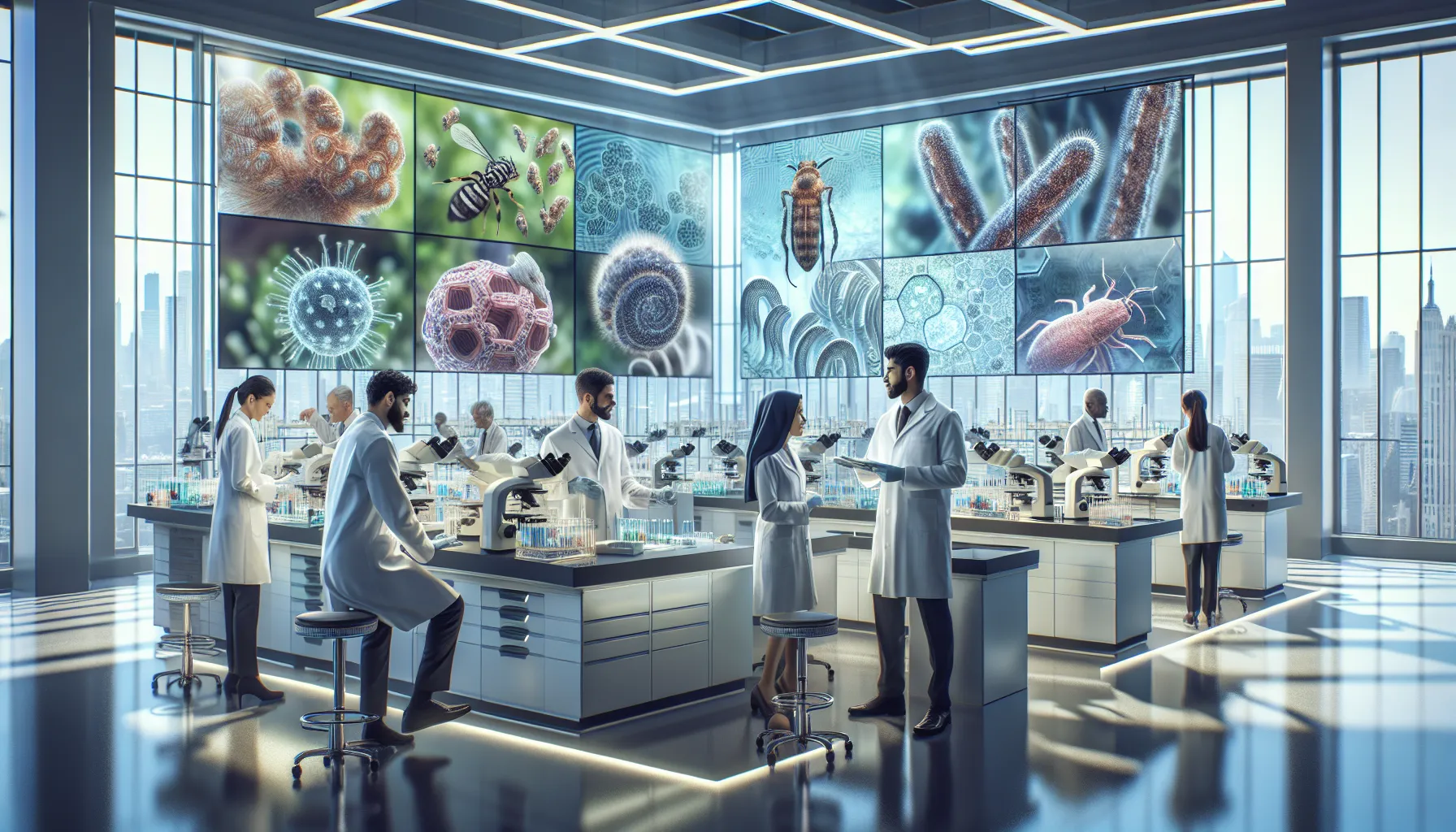
When it comes to pertostrums, variety is the spice of life. There are numerous types, each suited for different environments and functions. Let’s take a closer look at some compelling examples:
Ecological Impact of Pertostrums
Certain pertostrums are incredibly influential in shaping their ecosystems. For instance, some species might help break down organic material, turning it into vital nutrients for plants. These actions can encourage the growth of flora, benefiting entire communities of organisms.
Pertostrums in Research and Medicine
Surprisingly, pertostrums are also making their mark in scientific research and medicine. Scientists are investigating how these structures can aid in drug delivery and tissue regeneration. By understanding how pertostrums function, we might unlock new pathways for treating diseases or enhancing healing processes. Who knew that something so small could have such monumental implications for our health?
Future Research Directions on Pertostrums

Looking ahead, the future of pertostrums is teeming with potential. Researchers are keen to unlock further secrets of these structures. With advancements in technology, such as CRISPR and bioinformatics, we are opening up possibilities that were once only dreamed of.
New research may reveal even more about how pertostrums interact with other biological systems. The aim? To discover further applications in conservation efforts and eco-friendly solutions. As we cultivate a deeper understanding of environmental challenges, pertostrums could play pivotal roles in sustainability strategies. Who knows, they might just be the key to addressing some of our most pressing ecological concerns.