
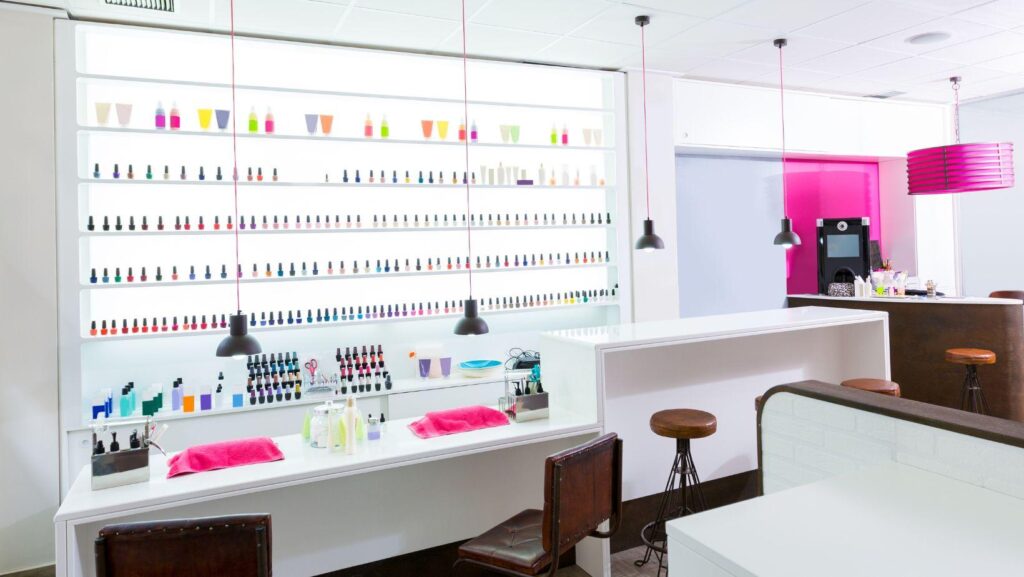
People think loyalty starts with excitement. A beautiful interior, complimentary drinks, a seasonal promotion. A neon sign glowing in the window like it’s auditioning for a movie role.
Those things help, no doubt. But then life resumes. Nails grow, appointments happen, weeks pass. The novelty quietly packs its bags and leaves. What’s left is usually what matters.
Most long-term clients don’t stay because a salon impressed them once. They stay because the experience keeps making a strange promise and then actually delivers on it. Again. And again. And then some random Tuesday three months later when nobody is trying particularly hard to be impressive. That’s the real test.
Places like Why Not Nails don’t build trust through a single appointment. Trust tends to accumulate gradually, until one day you realize you’ve been coming back for years.
Cleanliness
Cleanliness has a branding problem. Nobody gets excited about it. Nobody rushes home and tells friends about the sanitization process. And yet it’s probably one of the first things people notice, even when they think they’re noticing something else.
A clean salon feels different. The air feels different. The workstations look intentional rather than merely occupied. Tools appear where they’re supposed to appear. Surfaces look maintained. The entire space operates with a kind of quiet rhythm.
When hygiene becomes part of a salon’s culture, it stops looking like a checklist and starts looking like habit. Clients may not remember every detail afterward, but they remember the feeling.
Feelings tend to linger longer than facts.
Skilled Technicians
Skill doesn’t always look the way people expect. Many assume expertise announces itself. Sometimes it barely speaks above a normal conversational volume.
A truly experienced technician often spends less time showing what they know and more time figuring out what they need to know about you. How do your nails usually behave? Do they peel? Break? Refuse to cooperate with perfectly reasonable expectations? Some nails seem to have strong opinions.
The questions matter because good technicians understand something that newer ones occasionally miss: the service isn’t really about the nails. It’s about the person carrying them around all day.
A carpenter’s manicure has different challenges than a graphic designer’s. A nurse’s nails live a different life than someone working remotely from a coffee shop. The more experienced the technician becomes, the more individual the service tends to feel.
Not scripted—observed, adjusted, and refined.
Clear Communication
A good salon explains things. Not aggressively, not like you’re attending a seminar about cuticle maintenance. Just enough.
Maybe a certain shape won’t wear well for your lifestyle. Maybe a design will require more upkeep. Maybe your nail health suggests a different approach than the one you originally planned. The conversation feels honest and that’s important since people are surprisingly willing to hear “no” when it comes wrapped in expertise and respect.
What frustrates clients isn’t usually bad news. It’s confusion. Confusion is expensive. Not financially, necessarily. Emotionally. Logistically. Sometimes both. A clear explanation today often prevents disappointment two weeks later.
Consistent Results
One great manicure proves almost nothing. An exceptional result can happen anywhere. The stars align. The technician is having a fantastic day. The universe briefly cooperates. Miracles occur.
The second great manicure is more interesting. The fifth one gets your attention. The fifteenth starts changing your habits. Consistency is strangely underrated—nobody writes movies about predictable excellence. It lacks cinematic energy. Yet consistency is what people actually want.
They want the confidence of knowing what happens when they walk through the door. Not exactly. Not perfectly. Just close enough.
There’s comfort in reliability. The same comfort people find in a favorite coffee shop, a trusted mechanic, or that one sweatshirt they refuse to throw away despite overwhelming evidence that they probably should.
Respect for Your Time
Nothing reveals a business faster than its relationship with time. Everybody runs late occasionally. That’s life. Traffic exists, weather exists. But there’s a difference between occasional delays and a system built on wishful thinking.
The best salons understand that clients have schedules outside the appointment. Meetings. Children. Dinner plans. Grocery lists floating through their minds like unfinished homework. Appointments begin reasonably on time, delays get communicated, and expectations remain realistic.
Simple things. Yet simple things often become the foundation of trust.
People forgive inconvenience more easily than uncertainty. Waiting ten minutes isn’t always a problem—not knowing whether you’ll be waiting ten minutes or forty-five is an entirely different experience.
Personalized Recommendations
Recommendations should feel personal. Not algorithmic. Not suspiciously similar to the recommendation given to the previous five clients.
A thoughtful technician notices patterns. Preferences. Habits. Maybe you always choose practical lengths and then briefly consider dramatic ones before talking yourself out of it. Maybe bright colors make you happy. Maybe they make you nervous. Maybe every winter you become convinced dark shades are your destiny.
Humans are wonderfully repetitive. Personalized recommendations acknowledge that.
They make clients feel remembered. And being remembered is oddly powerful. Stronger than discounts sometimes. Stronger than promotions. People enjoy feeling recognized.
Clients Return Again and Again
Look around. Not the decor. Not the furniture. Not the carefully arranged shelves displaying products under strategically flattering lighting. Look at the people.
Do clients greet staff by name? Do conversations continue where they left off weeks earlier? Does the environment feel familiar in the way neighborhood restaurants sometimes feel familiar? Returning clients create a certain atmosphere—a sense that relationships have been built here over time.
Trust isn’t usually born from spectacular moments. It’s built from ordinary appointments that consistently go well. Hundreds of them.
Conclusion
The salons worth returning to rarely depend on being the trendiest place in the neighborhood. Trends move too fast. One season everyone wants chrome finishes. Then minimalist designs. Then something entirely different that appears on social media and spreads across the city like gossip.
Good salons stay steady through all of it. They clean thoroughly. Communicate clearly. Respect people’s time. Remember preferences. Deliver quality often enough that clients stop wondering whether the next appointment will be good.
Nobody wakes up one morning and announces, “I’ve officially found my salon.” Instead, they keep booking, month after month, until one day they’re recommending the place to a friend and suddenly realize they haven’t looked for another salon in years.
Which is probably the closest thing the beauty industry has to a standing ovation.
FAQ
What makes clients loyal to one salon?
Usually consistency. Not perfection. Consistency. Clients return when they trust the service, the staff, and the experience enough that booking an appointment feels easy rather than uncertain.
How do I recognize professional service?
Professional service often shows up in small details: cleanliness, communication, organization, thoughtful recommendations, and technicians who pay attention instead of rushing through the appointment.
Should I always see the same technician?
Not necessarily. Many clients enjoy building a relationship with one technician, but strong salons maintain standards across the entire team so quality doesn’t depend entirely on a single person.
Are online reviews enough?
Reviews help. They’re useful clues. But they’re still clues. Long-term consistency, personal experience, and how a salon operates during an actual appointment reveal much more.
How often should I switch salons?
Only if you feel a reason to. If the service remains excellent, the results stay consistent, and the experience continues meeting your expectations, there may be little reason to start searching again.