
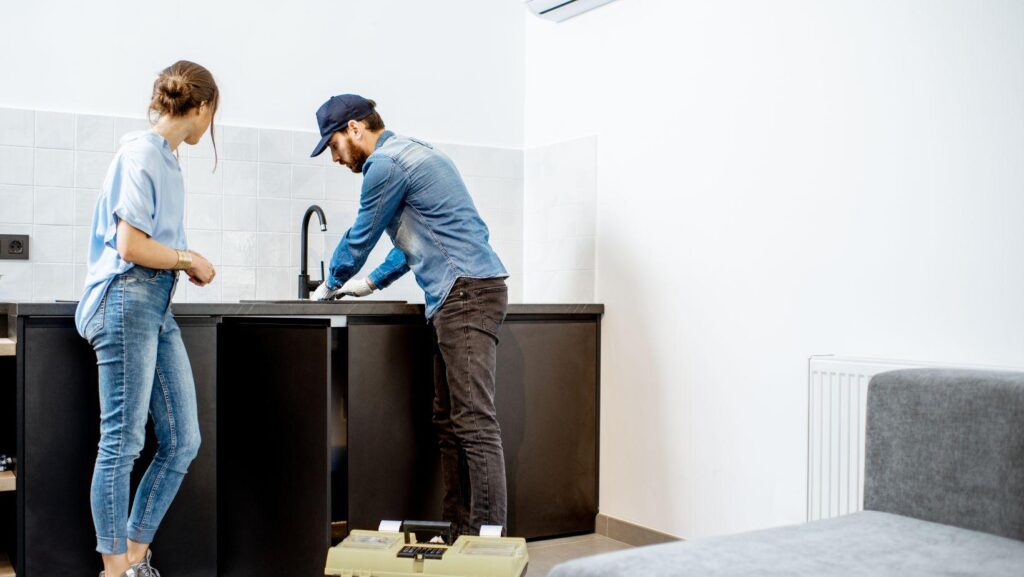
Understanding the cost of hiring a Plumber for home repairs can be challenging, especially when unexpected issues arise. Home repairs often involve a variety of factors that can significantly impact the final bill. This article aims to demystify the costs associated with plumbing services, providing homeowners with a clear picture of what to expect. We’ll explore the typical cost breakdown for plumbing repairs, examine the factors that influence these costs, and offer practical tips for minimizing expenses without compromising on quality. By the end, you’ll have a better understanding of how to manage your plumbing repair costs efficiently.
Plumber Cost Breakdown for Home Repairs
The cost of plumbing services typically includes several components. Labor fees are a significant part of the expense, often charged by the hour. A Plumber’s hourly rate can vary widely depending on their level of expertise and location. For instance, a Certified Aging-in-Place Specialist (CAPS) may charge more due to their specialized skills in adapting homes for senior residents. Additionally, material costs are another major factor, especially if repairs involve replacing pipes or fixtures. For more complex installations, such as a Whole-House Water Filtration System, costs can increase further due to the specialized equipment required.
Emergency plumbing services often incur additional charges. If a problem requires immediate attention, such as a burst pipe, homeowners might face higher fees due to the urgency and the time of day. Furthermore, any permits required for significant plumbing work, such as adding new plumbing lines, can add to the overall cost. It’s essential to understand these components to effectively budget for home repairs.
Factors Influencing Plumbing Repair Costs
Several factors can influence the cost of plumbing repairs in a home setting. The complexity of the plumbing issue is a primary consideration. Simple problems, like unclogging a drain, tend to be less expensive than more complicated issues that require extensive investigation and repair, such as a malfunctioning sewage line. The Home Energy Rating System (HERS) can also play a role in costs, as energy-efficient plumbing solutions might be more expensive upfront but save money in the long run.
Geographical location is another influential factor. In urban areas, plumbing services often cost more due to higher living expenses and increased demand. Additionally, if a Plumber has to perform an Indoor Air Quality (IAQ) Assessment to ensure the safety and functionality of your plumbing system, this could increase the costs. The presence of lead pipes might necessitate hiring a professional with Lead-Safe Certification, which can also affect pricing.
Common Plumbing Issues and Their Costs
Several common plumbing issues have typical cost ranges that homeowners can expect. For instance, fixing a leaking faucet might cost between $50 to $150, whereas repairing a broken water heater can range from $200 to $600, depending on the complexity and parts required. More extensive plumbing problems, such as sewer line repairs, can be much more costly, often exceeding $1,000 due to the labor and materials involved.
A universal design principle in plumbing is to ensure installations are accessible and adaptable, which might require additional costs upfront but can prevent expensive future modifications. Installing an efficient Smart Home Integration Specialist-designed system can further enhance your home’s plumbing capabilities, leading to long-term savings. For families practicing Attachment Parenting Practices, ensuring plumbing safety, especially around young children, might involve additional expenses for child-proofing measures.
Tips for Reducing Plumbing Repair Expenses
While plumbing repairs can be costly, there are strategies to help reduce expenses. Regular maintenance is crucial; scheduling periodic inspections by a Home Organization Consultant can prevent small issues from becoming major problems. Implementing smart home automation protocols can improve system efficiency and alert homeowners to potential issues before they escalate.
Seeking multiple quotes from local Plumbers can help identify competitive pricing. Moreover, investing in green building certification for your plumbing systems can ensure energy efficiency, which reduces long-term costs. Finally, being proactive with family resource management can help allocate funds effectively, ensuring that plumbing repairs do not disrupt your household finances.
Conclusion
Understanding the cost breakdown for plumbing repairs is essential for managing home maintenance expenses effectively. By considering factors such as labor, materials, and emergency services, homeowners can better prepare for these costs. Employing strategies like regular maintenance and smart home integration can further minimize expenses. This proactive approach not only saves money but also ensures the longevity and safety of your home’s plumbing systems.